
Check your territory
Enter your ZIP code and identify your electric utility. Community-solar programs are usually tied to specific utility service areas.
Subscribe to a share of an off-site solar project and, where available, receive bill credits tied to your portion of the project’s generation. Availability, savings and enrollment terms vary by utility territory and program.
Tell us where you receive electric service. We’ll use your ZIP code and utility to help identify relevant options.
Submitting this form does not enroll you in a solar program. Project availability and savings must be confirmed for your specific utility territory.
Community solar projects send electricity to the utility grid. Subscribers receive an allocated share of the project’s value, typically reflected as credits associated with the electricity generated by their share.
Enter your ZIP code and identify your electric utility. Community-solar programs are usually tied to specific utility service areas.
Compare subscription structure, estimated bill credits, cancellation terms, project location and any stated savings.
Once enrolled, the project generates electricity and your allocated value may appear as a credit on your electric bill or through the program’s billing process.
It can be useful for renters, condo residents, shaded homes and customers who prefer not to install or maintain rooftop equipment.
Participation is based on a remote project, so roof orientation and structural condition are not the main constraint.
Some programs offer subscription models instead of purchasing a rooftop solar system. Review contract terms carefully.
Programs may offer a discount to the value of bill credits, but actual savings depend on the project and utility rules.
Your subscription helps support solar generation delivered to the grid serving participating communities.
Programs are state- and utility-specific. Some states have established community-solar frameworks while others offer limited pilots or utility-specific projects. Exact eligibility should always be confirmed using the service address.
Market coverage changes over time. The map is a visual guide, not a guarantee that a project serves a specific address.

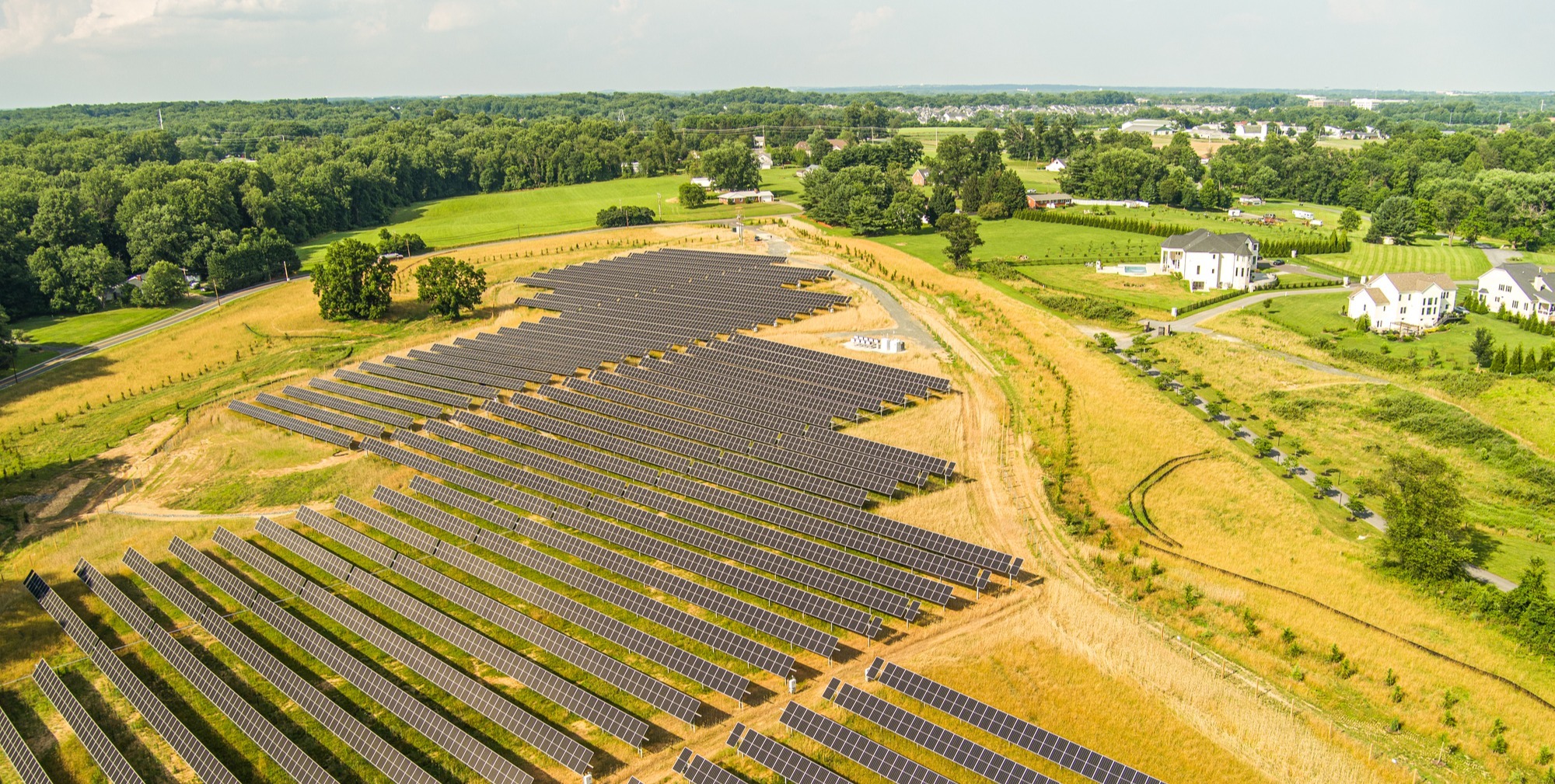
A community project can be located on open land, a commercial property, brownfield, landfill or another suitable site. The energy flows to the grid rather than directly to an individual subscriber’s home.
The financial relationship is handled through allocation and billing rules. That is why comparing the credit value, subscription charge and cancellation language matters more than simply comparing panel capacity.
This simple calculator illustrates how a discounted community-solar credit might affect a bill. It is not a quote and does not account for every utility charge.
Example: if eligible project credits are worth $100 and the subscription charge is 90% of that value, the illustrative net savings is $10.
The examples below are for education only. They are not current offers.
| Monthly eligible credit value | Illustrative discount | Subscription charge | Illustrative net savings |
|---|---|---|---|
| $75 | 10% | $67.50 | $7.50 |
| $125 | 10% | $112.50 | $12.50 |
| $200 | 10% | $180.00 | $20.00 |
Projects can be sited near farms, neighborhoods, commercial areas and previously disturbed land. The best projects are designed around local land-use requirements, interconnection capacity and community needs.
UtilityProviders is an independent comparison and referral website. We do not operate solar projects or guarantee project availability.
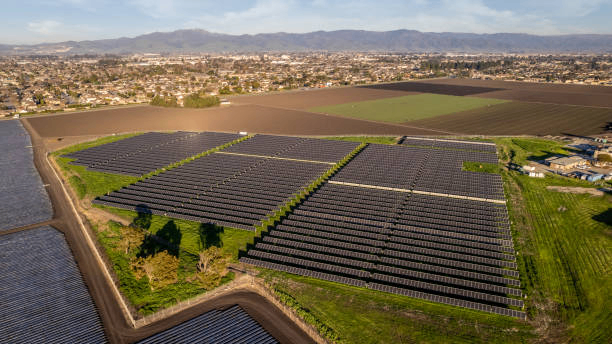
Community solar is a shared solar project or purchasing program in which the benefits of one solar project flow to multiple customers. Subscribers generally do not need panels installed on their own property.
Usually not. Utility delivery charges, taxes and other non-creditable items can remain. The exact bill treatment depends on the local program and utility.
Not necessarily. One reason community solar exists is to make solar benefits available to customers who rent or cannot install rooftop panels, subject to project eligibility.
Cancellation terms vary by provider and subscription. Review notice periods, early termination charges, transfer provisions and any minimum term before enrolling.
The project’s generation is measured and a subscriber receives an allocated share of the value under applicable program rules. The subscription charge may be separate from the utility credit.
Community solar does not normally provide backup power to an individual home. Outage service is still managed by the local utility unless a separate resilience arrangement applies.
Use your ZIP code to start with programs that may serve your electric utility territory.